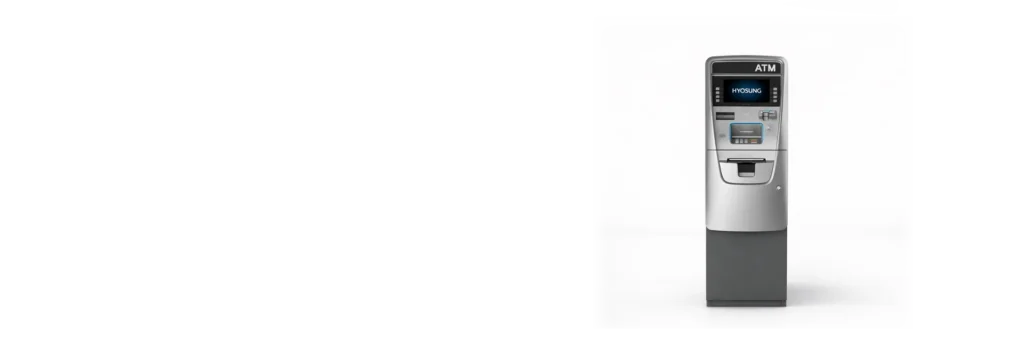
Buying the wrong ATM is one of the most expensive mistakes a new operator can make. A machine that’s too small jams constantly at a high-volume location. A machine that’s out of compliance can’t connect to the network at all. And an obscure brand with no US parts support turns into a repair nightmare that bleeds money. Choosing the right ATM machine for your specific location isn’t complicated, but it requires knowing a few things most dealers won’t tell you upfront.
This guide covers everything: machine types, top brands, new vs. used, compliance requirements, and which models actually make sense for bars, dispensaries, convenience stores, and everything in between.
Start With the Location, Not the Machine
The single biggest mistake ATM buyers make is starting with “what’s the cheapest machine available?” The right question is “what does this specific location need?” A machine that works perfectly in a quiet hotel lobby will be a constant headache in a packed nightclub processing 400 transactions a month.
Assess Your Location First
Before you look at a single spec sheet, answer these questions about your placement:
- Expected transaction volume: Estimated monthly transactions? Under 100 is low; 100–300 is moderate; 300+ is high volume
- Indoor or outdoor? Outdoor placements need weatherproofed through-wall or walk-up machines
- Space constraints: How much floor space is available? Countertop vs. freestanding vs. through-wall?
- Power and connectivity: Standard outlet available? Ethernet on-site or cellular only?
- Customer demographic: Are customers tech-comfortable (tap and go) or older/less tech-savvy?
Once you know your location’s profile, you can match a machine to it, not the other way around.
ATM Machine Types: Which Form Factor Do You Need?
Freestanding / Lobby ATMs
The standard choice for most independent ATM operators. These machines stand on the floor, typically 55–65 inches tall, and are placed in high-traffic areas inside a business. They’re the easiest to install (just a power outlet and internet connection) and easiest to move if a location underperforms.
Best for: Bars, restaurants, convenience stores, laundromats, salons, small retail
Through-Wall / Walk-Up ATMs
These are the ATMs you see built into the exterior walls of buildings, accessible from outside 24/7. Installation requires cutting a wall opening, running conduit, and in some cases pouring a concrete pad. Higher upfront cost but generates transactions around the clock without requiring the business to be open.
Best for: Gas stations, standalone kiosks, high-traffic pedestrian areas, grocery stores, buildings with exterior access
Countertop / Compact ATMs
Smaller units that sit on a counter or shelf. Lower transaction capacity, smaller cassette. Good for very tight spaces where a full-size machine won’t fit, think a small deli counter, a tightly packed liquor store, or a market stall setup.
Best for: Tight retail spaces, low-to-moderate transaction volumes, temporary or event deployments
The Big 3: Genmega, Hyosung, and NCR
The US independent ATM market is dominated by three manufacturers. Understanding the differences helps you make a smarter buy, whether you’re buying new or used, one machine or twenty.
Genmega: Best for Most Independent Operators
Genmega has become the go-to brand for independent ATM businesses in the United States, and for good reason. Their machines hit a sweet spot of affordability, reliability, and parts availability that nothing else on the market matches at the same price point.
Top Genmega models:
Genmega G2500
The industry standard starter machine. Reliable, simple to load and maintain, great parts availability. ~$2,200 new. Perfect for bars, laundromats, small retail.
Genmega Onyx S
Sleek touchscreen interface, larger display, higher-capacity cassette. ~$2,800–$3,200 new. Better suited for nicer venues where aesthetics matter.
Genmega GT3000
High-capacity through-wall model. Large cassette, outdoor-capable, designed for locations with heavy usage. For operators serious about 24/7 walk-up deployments.
Hyosung (Nautilus Hyosung): Premium Build Quality
Hyosung machines are extremely well-engineered and hold up exceptionally well in high-volume environments. They’re built to last and have excellent resale value, which matters when you’re scaling a route and eventually looking to sell. The downside: they cost more upfront, and while parts are available, they tend to run slightly higher than Genmega equivalents.
Top Hyosung models:
- Hyosung Halo II, The workhorse. Most popular Hyosung model for independent operators. Excellent reliability, large cassette, clean interface. ~$2,500–$3,000 new
- Hyosung MX8800SE, Mid-size, sleek, touchscreen. Popular for entertainment venues and modern retail
- Hyosung Monimax 5000, High-capacity lobby machine for busy locations. Often seen in casinos and high-traffic retail
If you’re placing machines in locations where appearance matters, hotel lobbies, upscale bars, modern dispensaries, Hyosung’s clean industrial design often wins the approval of location owners more easily than competitors.
NCR: Bank-Grade, But Usually Overkill
NCR makes the ATMs you see in bank branches and major chain retail. They’re exceptionally reliable and feature-rich, but they’re also significantly more expensive to buy and repair than Genmega or Hyosung. Replacement parts and service technicians cost more, and the value proposition only makes sense for very high-volume locations (casinos, stadiums, major transit hubs) where downtime is genuinely expensive.
For most independent operators with standard retail or bar placements, NCR is overkill. You’d be paying bank-grade premiums for standard-volume usage.
New vs. Used ATM Machines
This is the question every new ATM buyer wrestles with. Here’s the honest breakdown:
Arguments for Buying New
- Warranty: Typically 1–2 years on parts and labor, critical during your first year when you’re still learning the machine
- Current compliance: New machines ship with current PCI PTS certification and Triple DES encryption. Zero compliance risk
- Clean history: No mystery failures, no worn components, no unknown service records
- Latest software: Current OS and firmware; no immediate upgrade costs
Arguments for Buying Used
- Price: A used Genmega G2500 can be found for $800–$1,400, versus $2,200+ new. That’s real money when you’re deploying 3–5 machines
- Faster ROI: Lower upfront cost means the machine pays for itself faster
- Same performance: A 4-year-old Halo II in good condition performs identically to a new one
What to Check Before Buying Used
If you go the used route, inspect, or have someone inspect, these critical components:
- PCI PTS compliance status, The single most important check. A non-compliant machine cannot go on the network. Look up the machine’s model and serial number on the PCI SSC website
- Bill validator / dispenser: This is the most failure-prone component. Ask for recent service records. Test it by running a demo transaction if possible
- Keypad and screen: Check for stuck keys, screen dead zones, or worn keypad covers (a security risk)
- Receipt printer: Load a paper roll and print a test receipt. Jams and motor issues are common on older units
- Cassette condition: Should lock cleanly and show no cracks or warping
- Modem/connectivity: Confirm it supports the connectivity type you’ll use (Ethernet, cellular)
When in doubt, buy from a reputable ATM dealer rather than an online auction. A few hundred dollars more from a dealer who tests and certifies the machine is worth the peace of mind. Learn more about the full due diligence process in our guide to buying an ATM, what no one tells you.
Compliance: The Non-Negotiable Checklist
Before any ATM can legally process transactions in the US, it must meet several technical and legal standards. Skip these and your machine sits idle, or worse, you face liability.
Triple DES Encryption
Triple DES (3DES) is the minimum encryption standard required by the US payment networks. All major networks, Visa, Mastercard, STAR, NYCE, Pulse, require it. If a machine doesn’t support 3DES, it cannot process transactions. All reputable machines manufactured in the last 8–10 years support it, but verify on older used units.
PCI PTS Compliance
The Payment Card Industry PIN Transaction Security (PCI PTS) standard governs the physical security of the PIN entry device on ATMs. Certification expires, older machines eventually fall off the approved list. Check the PCI SSC’s published list of approved PTS devices before buying any used machine.
ADA Compliance
The Americans with Disabilities Act requires ATMs to be accessible to people with disabilities. Key requirements include: screen at maximum 54 inches from the floor, operable controls reachable from a wheelchair, audio output capability for visually impaired users, and Braille labels on key controls. Most modern ATMs are designed with ADA compliance built in, but check that your installation placement (height, clearance) also meets the requirements.
Network Certification
Your ATM needs to be certified by the networks it will access. Your processor handles most of this, but the machine itself must be on the network’s approved equipment list. Again: current models from Genmega, Hyosung, and NCR are all network-certified. Obscure brands or very old machines may not be.
Matching Machine to Location: A Practical Guide
Now let’s get specific. Here’s how to match machine type and model to common ATM placement scenarios:
| Location Type | Volume | Recommended Machine | Key Consideration |
|---|---|---|---|
| Bar / Nightclub | High | Genmega G2500 or Hyosung Halo II | Durability; must handle spills and rough handling |
| Cannabis Dispensary | High | Hyosung Halo II or Genmega Onyx S | Aesthetics matter; high cash demand; security important |
| Laundromat | Medium | Genmega G2500 | Reliability; minimal maintenance desired; 24/7 operation |
| Convenience Store | Medium–High | Genmega G2500 or GT3000 (through-wall) | Through-wall preferred for 24/7 access if exterior space allows |
| Small Restaurant / Deli | Low–Medium | Genmega G2500 or countertop unit | Space-constrained; countertop may work better |
| Event / Festival | Variable | Portable freestanding unit, cellular connectivity | Must run on cellular; portability key; high volume spikes |
| Hotel Lobby | Low–Medium | Hyosung MX8800SE or Genmega Onyx S | Appearance is critical; guests expect premium look |
ATM Parts: Plan for Maintenance Before You Need It
Every ATM needs maintenance eventually. The machines have moving parts, bill validators, dispensers, receipt printers, card readers, and they wear down with use. Before you buy, think about your maintenance plan.
Parts to Keep On Hand
For operators with 3+ machines, stocking some basic parts saves time and avoids extended downtime while waiting for shipping:
- Receipt paper rolls (standard size for your model)
- A spare keypad overlay (for your specific machine model)
- Bill validator cleaning cards (run these monthly to prevent jams)
- A spare cassette if you run multiple locations of the same model
When to Call a Technician
Some issues, a stuck receipt paper roll, a Wi-Fi configuration change, a cash cassette that won’t seat properly, you’ll learn to handle yourself after the first occurrence. But dispenser mechanism failures, card reader malfunctions, and motherboard issues require a certified technician. Most processors have a network of authorized service providers; know yours before you have an emergency.
Average service call cost: $150–$300 per visit. A machine going down for a week at a high-volume location costs far more in lost revenue. Build a technician relationship early.
Special Use Case: ATMs for Cannabis Dispensaries
Cannabis dispensaries represent one of the highest-value ATM placement opportunities available today. Because cannabis businesses operate in a federal gray area, most traditional banks and card processors won’t work with them. Customers must pay cash, and they need ATMs on-site to do it.
Dispensary ATMs routinely do 400–800+ transactions per month. At $2.50 net per transaction, that’s $1,000–$2,000/month from a single machine. If you can secure a dispensary placement, prioritize a machine that:
- Has a high-capacity cassette (aim for 1,500+ note capacity) to reduce reload frequency
- Looks professional, dispensaries are increasingly design-forward businesses and a beat-up freestanding ATM won’t fit the aesthetic
- Has reliable remote monitoring so you know the minute it goes offline or runs low on cash
The Hyosung Halo II and Genmega Onyx S are both strong choices for dispensary placements.
Should You Buy an ATM Package or Source Separately?
Some processors and ATM ISOs sell “turnkey packages”, machine + processing + installation as a bundle. These can be convenient for first-time buyers, but be cautious:
- Bundle pricing often has a premium baked in, you may pay $400–$800 more than sourcing the machine separately
- You’re locked into that processor’s rates for the term of the agreement
- If the machine underperforms, you can’t easily switch processors without impact
If you’re comfortable doing a bit of research, buying the machine directly from a manufacturer’s authorized distributor and then choosing your processor separately gives you more control and usually saves money. If you want hand-holding through the process, the package route is worth the premium for the simplicity.
Quick Comparison: Genmega vs. Hyosung vs. NCR
| Genmega | Hyosung | NCR | |
|---|---|---|---|
| Price Range (new) | $2,000–$3,500 | $2,500–$4,500 | $4,000–$8,000+ |
| Best For | Most independent operators | Higher-volume / premium locations | Banks, casinos, major retail |
| Parts Availability | Excellent | Very Good | Good (but pricier) |
| Repair Costs | Low | Medium | High |
| Reliability | Very Good | Excellent | Excellent |
| Aesthetics | Functional | Clean / Modern | Premium |
| Recommended For New Operators? | Yes, first choice | Yes, step up | No, overkill for most |
Frequently Asked Questions About Choosing an ATM Machine
What is the best ATM machine for a small business?
The Genmega G2500 and Hyosung Halo II cover the vast majority of small-business locations. The G2500 wins on price ($2,395–$2,700 new), the Halo II on brand recognition and resale value. Both are freestanding, compact, and serviceable by any ATM technician in the country.
How much does an ATM machine cost for a business?
New retail machines run $2,395 to $4,200 depending on model; tested used machines run $1,200 to $2,200. Through-the-wall units for outside access jump to $5,500 to $7,500. Current model-by-model pricing is in our ATM price comparison table.
What ATM machines do convenience stores use?
Overwhelmingly the Hyosung Halo II and Genmega G2500, with the older Hyosung NH2700CE still common on used routes. C-stores favor small footprints, front-access vaults for tight corners, and machines every service tech already knows.
Can I put an ATM machine outside?
Yes, but not a standard indoor machine. You need either a through-the-wall unit like the Genmega GT3000 installed into the building envelope, or a weatherized outdoor model with heaters and a canopy. Outdoor placement roughly doubles hardware cost and adds install work, which only makes sense for locations with strong after-hours foot traffic.
Final Advice Before You Buy
The ATM machine is a long-term investment, a well-maintained unit lasts 8–15 years. Choosing right the first time sets you up for a smooth operation. Here’s the short version of everything covered above:
- Match the machine to the location’s volume and environment, don’t just buy the cheapest machine
- Start with a Genmega G2500 or Hyosung Halo II, the two most operator-friendly machines on the market
- Verify PCI compliance before buying used, a non-compliant machine is worthless
- Know your cassette capacity requirements, under-sizing means constant reloading; over-sizing ties up unnecessary cash
- Have a parts and service plan before you go live, not after your first jam
Ready to take the next step? If you’ve identified your location and you’re ready to buy, check out our comprehensive guide to ATM machines for sale, including where to buy, what to pay, and the traps to avoid. Or if you’re still figuring out whether to start from scratch or buy a running ATM business, see our comparison guide on ATM businesses for sale vs. building your own.
For a direct side-by-side breakdown of the three major brands, see our full Nautilus Hyosung ATM models and prices.
And if you’re thinking bigger, building a multi-machine route from day one, read how experienced operators structure their portfolios in our guide to how to start an ATM business in 2026.
Explore more: Nautilus Hyosung ATM guide, ATM withdrawal limits by bank, ATM routes for sale
Get the ATM industry update
New guides, pricing news, and operator tips from someone who actually runs machines. Free every week, unsubscribe any time.