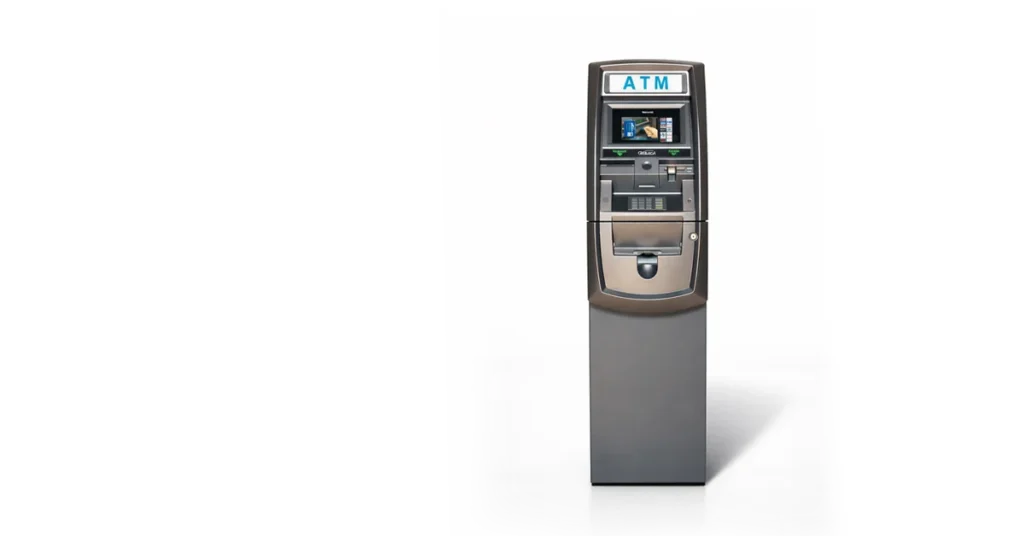
How to Start an ATM Business in 2026: Step-by-Step Guide for USA Beginners
The realistic, low-money way to start, from someone who actually runs machines.
You can start an ATM business with far less money than most guides say, if you do it in the right order. You do not buy a machine first. You set up the business (LLC and a bank account), get on a processor by sub-accounting under an existing operator, buy your ATM on payments, then land a location. Realistically one machine nets $150 to $200 a month, and about 10 machines is a real income. Here is the exact order, with real numbers and the actual companies to use.
Most “how to start an ATM business” guides tell you to buy a machine, then find a spot for it. That is backwards, and it is how beginners tie up money in a machine that sits in a closet for three months. I have done this from scratch, and the order below is the one that actually works when you do not have much to start with.
The model is simple: you own a cash machine, you charge a small fee (the surcharge) every time someone withdraws, and you split part of that fee with the store that hosts it. Do it right and each machine quietly earns. Do it in the wrong order and it drains cash instead.
The biggest beginner mistake is buying the machine first, because it feels like progress. Then the real work, getting on a processor and finding a location, takes months, and your money is stuck in a box. Do the paperwork and processing first, buy the machine on payments, and put real cash into a machine only once it has a home.
STEP 1Form your LLC
Register a simple LLC in your state and get an EIN (your business tax ID) from the IRS, which is free. You need the business name and EIN for almost everything that follows: the bank account, the processor, and the location agreements. A single-member LLC is fine to start, and this is the cheapest, fastest step, so do it first.
STEP 2Open a business bank account
You cannot run this out of a personal account. You need a dedicated business checking account for two jobs: holding your vault cash (the money that goes into the machine and settles back to you the next business day) and receiving your surcharge income from the processor.
Plenty of banks work for this. Big national banks like Chase (JPMorgan) and Citibank open ATM business accounts, and there are banks that specialize in ATM operators, like Herring Bank. The important part: banks watch ATM operators closely (a lot of cash moves through them), so walk in as a legitimate registered business, your LLC and EIN in hand, and tell them plainly it is for an ATM business. If one branch or bank declines, just try another.
Keep a cushion in the account, roughly one and a half times what you load into a machine, so a busy weekend does not leave you short before settlement catches up.
STEP 3Get processing the cheap way: sub-account under a market partner
This step saves beginners the most money and time, and almost no guide explains it correctly.
To put an ATM on a network, it runs through a processor. The two most common are Switch Commerce and PAI (Payment Alliance International). But as a beginner you do not go straight to them, and they do not set up small newcomers directly.
Instead you find an established ATM operator, a company that already has its own “market partner” account under Switch Commerce or PAI and already runs many machines, and you become a sub-account under that company. Under them you create your own Terminal IDs (the unique number that identifies each machine) and place as many ATMs as you want. They take a small slice of your interchange in return, and they are glad to, because your machines grow their volume too.
Later, once you have a lot of locations, you can move to your own direct processing account. But on day one, sub-accounting under a market partner means no big setup, no minimums, and someone experienced to lean on.
How to find one: almost always by reference, another operator who vouches for them. Ask in ATM operator communities and Facebook groups for independent ATM owners. Get on a call and ask what cut they take, how fast they set up TIDs, and how quickly they settle your money.
STEP 4Buy your ATM (on payments, not all at once)
A good used machine starts around $1,500, and you do not have to pay it all up front.
The easiest place to start is a marketplace, eBay first. It has the widest used selection and payment options, so you can buy on installments and keep your cash free for the vault load. Amazon is next. For more selection, real dealer support, and service after the sale, use a specialist ATM dealer.
| Machine | Typical price (2026) | Good for |
|---|---|---|
| Hyosung 2700 (used) | ~$1,795 | Cheapest reliable entry point |
| Genmega G2500 | ~$2,689 | Popular new starter machine |
| Hyosung Halo II | ~$3,050 | Modern, compact, EMV-ready |
| Genmega Onyx / Hyosung Force | higher | Higher-traffic sites |
Prices move, so confirm the current number on the seller’s page. For a model-by-model comparison see our ATM buyer guide, Genmega guide, and Hyosung guide.
Do not buy the cheapest no-name machine. A used Hyosung or Genmega from a real seller, on a payment plan, beats a bargain machine that jams and eats your uptime. Buy from someone who also does service, so you have a lifeline when something breaks.
STEP 5Find a location
This is the hardest part and where most people stall. There is no shortcut, only effort. The three ways that work, done together:
- Cold calling stores in your area.
- Walking in store to store and talking to owners in person, which beats calls by a mile.
- References, friends, family, and contacts who own or know a business.
Best sites are cash-heavy with steady foot traffic: convenience stores, gas stations, bars and nightclubs, liquor and smoke shops, laundromats, and barbershops. A site that does not already push people toward cash will not perform.
STEP 6Sign the location and set the surcharge split
Once an owner is interested, you sell them on the upside: a cut of every withdrawal, for free, with no work and no cost. Here is the real math you walk them through.
Say the machine will do around 200 transactions a month. You set the surcharge at $2.50 to $3.00 per withdrawal and give the owner a split, for example $1.00 per transaction. That is real money to a store owner for doing nothing, and it is the number that gets the yes.
Put it in writing. Never run on a handshake. Use a proper placement agreement that locks the term, the split, exclusivity, and who does what. Full breakdown and three free templates here: ATM Placement Agreement guide and templates.
STEP 7Sort the cash and the loader
The machine needs cash, and that cash is yours. Plan on $3,000 to $4,000 in rotation per machine to keep it full between visits. That money is not spent, it comes back to you through settlement the next business day, but you need it available.
- Load it yourself and keep 100% of your share. Free, and best when the site is close and you have the time.
- Hire a loader when you cannot get there. Typical pay is about 30% of the surcharge, or a fixed amount per transaction, roughly 7 cents on a $3 surcharge. Find one by reference and vet them carefully, they handle your cash and your keys.
The full rules for a loader deal, cash accountability, keys, and reporting, are in our agreements pack (the Cash Loading Agreement).
STEP 8Install the machine
The store provides a power outlet and, ideally, an internet connection for the machine, which is the most reliable setup. If that is not possible, a wireless modem works. As a beginner, do not install it yourself, hire a professional so it is done right the first time.
Installation runs about $150 to $200. Line everything up so the tech needs only one visit, machine on site, location ready, TID and processing set, so you are not paying for repeat trips.
STEP 9Go live and track every machine
Once it is installed and processing, watch two things: the transaction count and the cash level. A new site often lands around 150 transactions a month and grows as regulars start using it. Track each machine separately so you know which sites to keep and which to pull.
What one machine really makes
Let us be honest about the numbers, because the “get rich” videos are not.
| Item | Realistic figure |
|---|---|
| Transactions / month (new site) | 150 to 200 |
| Surcharge you set | $2.50 to $3.00 |
| Owner’s split | ~$1.00 per transaction |
| Loader (if hired) | 30% of surcharge, or ~7¢/txn |
| Cash float per machine | $3,000 to $4,000 (recycles, not spent) |
| Your net per machine | ~$150 to $200 / month |
One machine is a slow trickle, that is the truth. But the model scales cleanly: the same routine across 10 machines is $1,500 to $2,000 a month, mostly passive, and that is where it becomes a real income. The first machine is the hardest. The tenth is a copy of the first.
The faster path (if you have money to invest)
Everything above is the bootstrap route for someone starting with very little. With capital, two things speed it up:
- ATM brokers will hand you a ready location for a fee, skipping the hardest step. Vet them and get references first.
- Buy used machines outright instead of on payments, so you own them free and clear and keep the full margin from day one.
Common mistakes new ATM owners make
- Buying the machine first. Set up the business and processing first, buy on payments, fund a machine only when it has a location.
- Buying the cheapest no-name machine. It jams, and downtime costs more than you saved.
- Running on a handshake. No placement agreement means a second machine appears across the room in month six and your volume is halved.
- Under-funding the cash float. An empty machine earns nothing and trains customers to stop trying it.
- Trusting strangers online. Verify every market partner, loader, and broker with a real reference before money or keys change hands.
- Not tracking per machine. If you do not measure each site, you keep dead ones too long.
Frequently Asked Questions
How much money do I really need to start?
Less than most think if you buy the machine on payments. Realistically: a small LLC filing fee, your cash float of $3,000 to $4,000 for the first machine, an install around $150 to $200, and the machine payments. The float is not spent, it recycles back through settlement.
Do I need my own processing account?
Not at the start. You sub-account under an established operator who already has a market partner account with a processor like Switch Commerce or PAI, and you create your Terminal IDs under them. You go direct only once you have many machines.
How much does one ATM make per month?
A typical new site nets around $150 to $200 a month after the location’s split. It grows with foot traffic, and the model makes real money once you run several machines.
Do I need a license to own ATMs?
There is no special federal “ATM license,” but you register an LLC, get an EIN, and follow your processor’s and the card networks’ rules, plus your bank’s requirements. Some states and cities have their own registration, so check locally.
Can I load the cash myself?
Yes, and you keep your full share when you do. Hire a loader only for machines you cannot reach, usually for about 30% of the surcharge or a few cents per transaction.
How many machines do I need to quit my job?
Roughly 10 well-placed machines put you in the $1,500 to $2,000 a month range, mostly passive. Scale from there. The first one teaches you the system, the rest are repetition.
Keep this: every resource in one place
Processors: Switch Commerce, PAI
Banks: Chase, Citibank, or a specialist like Herring Bank
Buy a machine: eBay, Amazon, ATM Depot, ATMTrader, ATM Link, ATM Money Machine, ACME ATM, National ATM Systems
Install & repair: National ATM Systems, AtmMachines.com, ATM of America
Our guides: Placement agreement + free templates, how the surcharge works, ATM buyer guide.
Get the ATM industry update
New guides, pricing news, and operator tips from someone who actually runs machines. Free every week, unsubscribe any time.