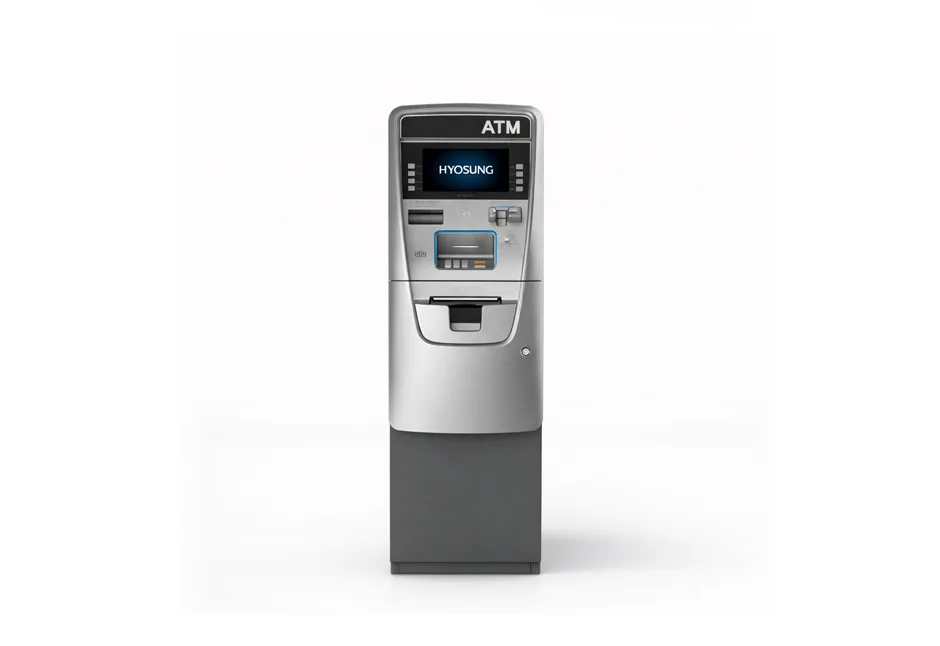
A good used ATM costs $1,200 to $2,200 depending on model and condition. The three machines worth buying used are the Hyosung NH2700CE ($1,600–$2,200), the Genmega G2500 ($1,200–$1,800), and the Hyosung Halo II ($1,500–$2,200). Before paying for any used ATM, verify one thing above everything else: the PCI PTS approval status of its PIN pad. A machine with an expired PCI listing cannot be put on a processing network at any price, which makes it scrap metal with a keypad.
Buying a used ATM is the single fastest way to cut the startup cost of an ATM business, often by 40 to 60 percent compared to new. It is also where first-time buyers lose the most money, because the things that make a used ATM worthless are invisible in a Facebook Marketplace photo. The machine powers on, the screen glows, the seller runs a demo dispense, and none of that tells you whether the machine can ever process a live transaction again.
This guide covers what used machines really cost in 2026, what “refurbished” actually means when a dealer says it, the compliance checks that decide whether a machine can even be activated, the red flags that should end a negotiation on the spot, and what it takes to put a used machine into live service once you own it.
Used ATM Prices in 2026: The Real Market
These are the ranges the used market actually trades at, assuming a working, PCI compliant machine from a dealer or operator, not a stripped unit from an auction lot:
| Model | Used price | Why it holds up |
|---|---|---|
| Hyosung NH2700CE | $1,600–$2,200 | The workhorse of the used market. Millions of cycles in the field, parts everywhere, and every technician knows it. |
| Genmega G2500 | $1,200–$1,800 | Cheapest reliable entry into the business. Recent enough that most used units still have years of compliance life left. |
| Hyosung Halo II | $1,500–$2,200 | The most popular retail ATM in the USA, so used supply is constant and resale stays strong. |
| Genmega Onyx | $1,400–$2,000 | Worth it when appearance matters to the location. Same core hardware as cheaper Genmegas. |
| Hyosung NH1800SE | $700–$1,400 | Tempting price, but many units are near the end of their compliance window. Verify before buying, not after. |
Notice what drives these prices. It is not age in years, it is remaining compliance life. An ATM depreciates like a work truck for its first two years, losing roughly 40 percent of its sticker price, then the curve flattens. From that point on, value tracks how long the machine’s PIN pad stays on the PCI approved list and whether parts remain in production. That is why a nine-year-old NH2700CE with a current EPP can outprice a younger machine from a brand that quit the US market.
If a listing is far below these ranges, the machine almost always has one of three problems: an expired PCI listing, a processor lock from the previous owner, or a dispenser fault that costs more to repair than the discount saved. Full new-machine pricing is in our ATM price comparison table.
“Refurbished” Is Not One Thing: The Four Grades of Used ATM
Sellers use “refurbished” loosely, and the difference between grades is worth hundreds of dollars. When you ask a seller what they mean, the honest ones will place their machine in one of these four buckets:
As-is / pulled from service
The machine came off a route or out of a closed business and nobody has touched it since. No testing, no cleaning, no guarantee it even boots. This is auction-lot territory. Never pay more than parts value ($300 to $600) unless you can inspect it in person and run transactions yourself.
Tested working
Someone powered it up, ran test dispenses, and confirmed the core functions. Better, but “tested” says nothing about the compliance status or how worn the dispenser is. Expect to pay 10 to 20 percent under refurbished price, and budget a service visit into your math.
Refurbished
The machine was opened, cleaned, worn rollers and belts replaced, firmware updated, and cosmetics addressed. A proper refurb from a dealer includes a compliance check as part of the process. This is the sweet spot for most buyers: near-new reliability at 40 to 50 percent off new price.
Certified refurbished with warranty
Everything above, plus a written 90-day (sometimes 6-month) warranty and help with processor activation. You pay $300 to $500 over a private-sale price for the same model. The first time a dispenser jams on a Friday night, this grade pays for itself.
The Compliance Check That Decides Everything
Every ATM that connects to a processing network in the USA must have a PIN pad with a current PCI PTS approval. Approvals expire by hardware generation, and when they lapse, processors will refuse to activate the machine. This is the number one way people get burned on used ATMs: the machine powers on, dispenses in demo mode, looks perfect, and can never legally process a live transaction again.
Here is how to actually verify it before money changes hands:
- Get the exact EPP model and version. The encrypted PIN pad has its own label, usually visible when the top hat is open, separate from the machine’s serial plate. Ask the seller for a photo of it.
- Check it on the PCI SSC approved devices list. The PCI Security Standards Council publishes a searchable list of approved PIN transaction security devices. Match the exact model and version, and look at the expiry date, not just whether it appears.
- Confirm EMV chip reading works. Run a chip card, not a swipe. Since the fraud liability shift, a swipe-only machine puts every fraudulent transaction on you, the operator.
- Get the processor release in writing. Ask which processor the machine last ran on and get written confirmation the terminal ID has been deregistered. A machine still tied to another operator’s account cannot be re-registered until the old account releases it.
The 8-Point Used ATM Inspection Checklist
- PCI PTS status: current approval on the PCI list for the exact EPP version installed. Non-negotiable.
- EMV card reader: chip reading must work, not just swipe. Liability for fraud on swipe-only machines lands on the operator.
- Processor release: written confirmation that the machine is deregistered from the previous processing account.
- All keys present: vault key or combination, top-hat key, and any electronic lock codes. Replacement locksmith work on a vault runs $200 to $400.
- Dispenser test: run at least 20 test dispenses. Listen for grinding or double-feeds. A worn dispenser is the most expensive common repair.
- Error log: pull the journal and error history from the operator menu. Recurring cassette or dispenser errors are a walk-away signal.
- Cassette condition: cassettes are $200 to $400 each to replace. Check the pick rollers and note counter.
- Cosmetics and signage: scratched or sun-faded machines depress transaction counts. Locations judge the machine the way customers do.
Red Flags That Should End the Conversation
Some listings tell you everything you need to know before you ever see the machine:
- “Worked when removed.” The used-equipment equivalent of “ran when parked.” It means nobody has tested it and nobody will stand behind it.
- Photos show the vault open and empty with no cassettes. Cassettes were sold separately or kept. You are looking at $400 to $800 in parts before the machine can hold a dollar.
- The seller will not do a live video demo. A working machine takes two minutes to demonstrate over a video call. Refusal is an answer.
- No serial number in the listing and “serial on request” hedging. Serials let you verify age, model, and sometimes theft reports. Sellers who hide them know that.
- Price 40 percent below market with a story attached. Storage-unit finds and “my uncle’s old store” machines are where expired EPPs go to find their final victim.
- “Just needs a reprogram.” If activation really were one phone call away, the seller would make that call and charge $800 more.
Where to Actually Buy a Used ATM
Authorized dealers selling refurbished units
The safest source. Refurbished machines from a real dealer come tested, with a 90-day warranty in most cases, current compliance, and help getting the machine onto a processor. You pay $300 to $500 more than a private sale, and it is worth every dollar the first time something goes wrong.
Route operators selling off machines
Operators consolidating or exiting the business sell working machines with real field history. The advantage: you can ask for the transaction journal and see exactly how the machine has been running. Sometimes the location comes with the machine, which changes the math entirely; that is closer to buying a mini route, and our guides to ATM routes for sale and buying an ATM business cover how to value it.
Marketplaces and auctions: the discount you usually pay back
eBay, Facebook Marketplace, and liquidation auctions have the lowest sticker prices and the highest rate of dead machines. Assume any auction unit has an expired PIN pad until proven otherwise, price the repair into your bid, and never bid on a machine photographed with the vault open and empty of cassettes.
You Bought It. Now What? Putting a Used ATM Into Service
A used machine does not earn a dollar until it is live on a processing network. Plan for this sequence, which typically takes one to three weeks:
- Sign with a processor. The processor connects your machine to the banking networks, handles settlement, and sponsors you under their bank relationship. Expect a simple application, ID verification, and a bank account for settlement deposits.
- Program the machine. Master keys get injected or entered, the terminal ID is configured, and communication (usually wireless these days) is set up. Dealers often include this; private-sale buyers hire a local ATM tech for $100 to $250.
- Set your surcharge. The national average is $3.22 in 2025, but the right number depends on your location type. Our surcharge fee guide covers how operators actually price.
- Load the vault and run live tests. A first load of $2,000 to $4,000 in twenties covers most new locations. Step-by-step in our ATM loading guide, and see how much money an ATM holds for cassette planning.
- Confirm settlement. Run withdrawals with two or three different bank cards and confirm the money lands in your settlement account within one to two business days before you rely on the machine.
What a Used ATM Costs After You Buy It
The purchase price is the start, not the total. Realistic ongoing numbers for a single used machine:
- Processing and statement fees: $15 to $25 per month with most processors.
- Wireless communication: $10 to $20 per month if you use a cellular modem instead of the location’s internet.
- Receipt paper: a few dollars a month; buy rolls by the case.
- Parts wear: the common repairs are pick rollers and belts (cheap), receipt printers ($150 to $350), cassettes ($200 to $400), and, the one that hurts, dispensers ($400 to $1,200 depending on model). Older machines fail more, which is part of why the used discount exists.
- Vault cash opportunity cost: the $2,000 to $4,000 circulating in the machine is your money, working for the machine instead of anywhere else.
Used vs New: The Honest Math
A new Genmega G2500 runs $2,395 to $2,700 with a 2-year warranty. A used one saves you roughly $1,000 up front and gives up that warranty plus a few years of compliance headroom. At a location doing 300 transactions a month with a $2.50 surcharge, the machine grosses about $750 monthly, so the used discount equals about six weeks of revenue.
The decision rule that serves most buyers: proven location, buy new; unproven location, buy used. If the spot already has transaction history that justifies a machine, the warranty and compliance runway of a new unit protect an income stream you know exists. If you are testing a location on a hunch, a used NH2700CE lets you find out for $1,800 instead of $2,700, and you can move or resell it if the spot underperforms. Match the machine to your specific venue with our guide to choosing the right ATM for your location. The full breakdown of every current model is in our brand comparison and Hyosung guide.
Resale: What Your Used ATM Will Be Worth Later
Exit value is part of the purchase decision, and the brands do not age equally. Hyosung machines hold resale value best in the US market; a Halo II bought used for $1,800 today will still fetch $1,200 to $1,500 in a few years if its compliance stays current. Genmega units resell reliably but at lower absolute prices, matching their lower cost of entry. Off-brand machines and anything swipe-only are effectively worthless on resale regardless of condition. If you may sell within five years, that difference is worth paying up for at purchase time.
Frequently Asked Questions About Used ATM Machines
How much does a used ATM machine cost?
Between $1,200 and $2,200 for a working, compliant machine from the current used market: Genmega G2500 units at the low end, Hyosung NH2700CE and Halo II units at the top. Anything under $1,000 should be treated as a parts machine until its PCI status is verified.
Are used ATMs worth buying?
Yes, when the machine passes the compliance check and comes from a dealer or operator with history. The savings of 40 to 60 percent versus new are real. They stop being worth it the moment a machine needs a new dispenser or has an expired PIN pad, which is why the inspection matters more than the price.
Can any used ATM be put back into service?
No. The PIN pad must hold a current PCI PTS approval and the machine must be released from its previous processing account. Machines that fail either test cannot be activated by any US processor, regardless of physical condition.
Do used ATMs come with a warranty?
Dealer-refurbished machines typically carry 90 days, and some dealers offer six months on certified units. Private sales and auctions come with nothing. Price that difference honestly: a 90-day warranty on a machine full of moving parts is worth several hundred dollars.
How old is too old for a used ATM?
Age matters less than compliance. As a rule of thumb, machines introduced within the last 8 to 10 years with a current EPP are safe territory. Anything older needs its exact PIN pad version checked against the PCI expiry list before you offer a dollar, because a compliance lapse turns any machine into a parts donor overnight.
What is the best used ATM for a first-time buyer?
The Hyosung NH2700CE. It has the deepest parts supply, every ATM technician in the country knows it, and used pricing of $1,600 to $2,200 leaves room to hit profitability fast at a decent location. Learn the day-to-day of running one in our guide to loading an ATM machine, and if you are starting from zero, begin with how to start an ATM business.
Want current used inventory pricing?
Tell us your location type and budget and we will match you with tested, compliant used machines and current dealer pricing. Free, no obligation.
Get Used ATM Pricing →Get the ATM industry update
New guides, pricing news, and operator tips from someone who actually runs machines. Free every week, unsubscribe any time.